

Updated October 27, 2026
Signs of hard water and limescale
Rain picks up calcium and magnesium as it moves through soil and rock. When the water is heated or evaporates, those minerals form limescale. Typical signs:
- white crust on taps, showerheads and kettles;
- spots and film on glasses and dishes;
- soap and shampoo that won't lather, dull laundry;
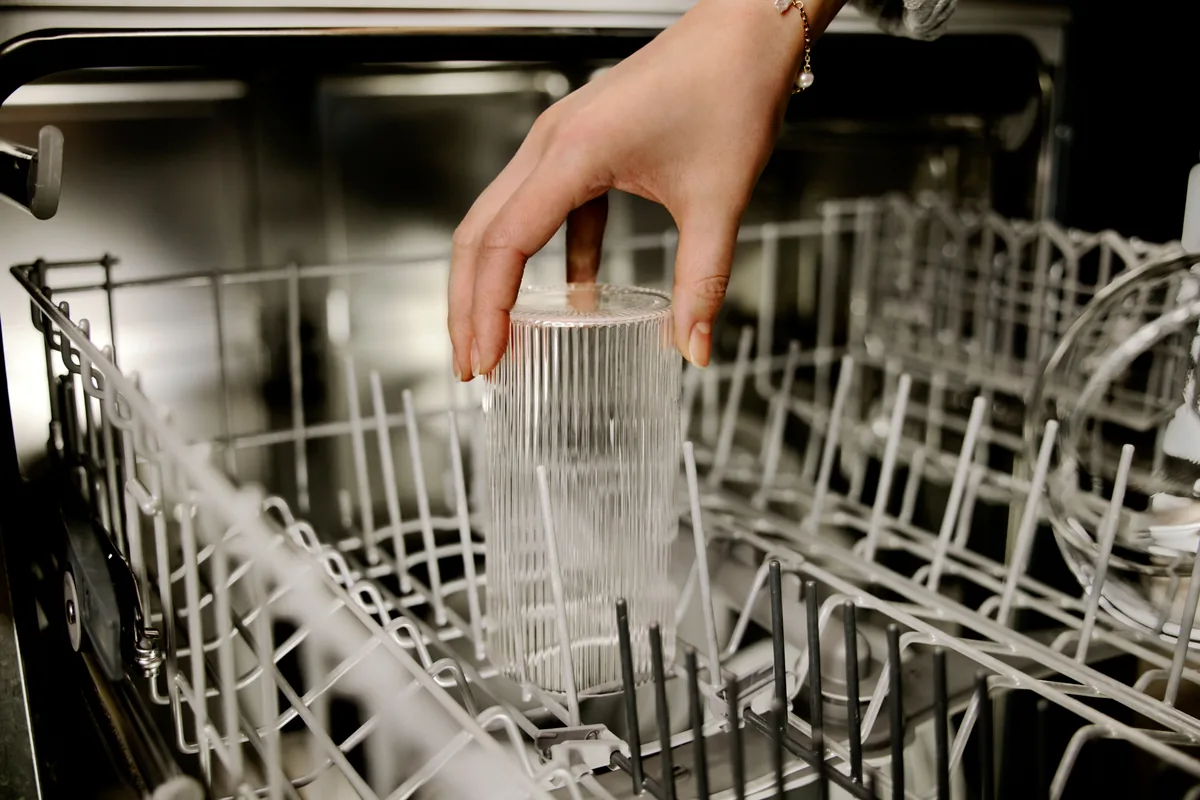
- scale in the water heater and small appliances.
What research says about hard water and water heaters
The summary published by the Water Quality Research Foundation distinguishes several tests. Battelle compared water heaters and showerheads supplied with hard or softened water under laboratory conditions to examine scale and performance. Detergent and laundry findings come from separate Scientific Services studies (2011). Results depend on the test conditions and do not guarantee a particular percentage saving in every home.
Why a TDS meter doesn't measure hardness
A typical TDS meter estimates dissolved solids from conductivity; it does not isolate calcium and magnesium. The pH describes how acidic or basic water is, rather than its hardness. Clear water can be hard because these minerals are dissolved. Use a specific hardness test when sizing a softener.
Hard water in Ottawa, Gatineau and on private wells
Hardness depends on your source:
- Ottawa's central water system draws from the Ottawa River, and the City describes its water as soft. Base any equipment decision on the result for your supply and the problem you want to address.
- Private wells in rural Ottawa, Prescott-Russell and the Outaouais can vary with the aquifer. A nearby municipal result does not establish the hardness or iron content of your well.
- Other municipal systems publish hardness in their annual water quality reports.
Your own result is what counts.
Reading a hardness result
Note the number and the unit. mg/L as CaCO₃ (the same as ppm) can't be compared directly with grains per US gallon (gpg). To convert: 1 gpg = 17.1 mg/L. With calcium and magnesium concentrations each reported in mg/L: hardness (mg/L CaCO₃) = 2.497 × calcium (mg/L) + 4.118 × magnesium (mg/L).
Raw water or softened water?
Note whether the sample is raw water or water after a softener: to check a softener's settings, you need both.
Compare hardness before and after treatment
Untreated water at 205 mg/L as CaCO₃ is about 12.0 gpg (205 ÷ 17.1). A sample after the equipment at 17 mg/L shows reduced hardness. These figures illustrate a paired comparison, not a universal target. Record the sampling point, date and water use at the time, and compare results in the same unit. One reading cannot describe performance throughout the period between regenerations or under every household demand.
What hardness level calls for a water softener?
Health Canada sets no maximum or aesthetic objective for hardness. The decision depends on:
- your measured hardness (hard above 7 gpg, very hard above 10.5 gpg on the WQA scale);
- the scale and spotting you see, and the comfort you want;
- iron or manganese, which change the equipment choice;
- your home's flow and water use.
Resin, regeneration and flow: what needs sizing
Cation-exchange resin captures hardness ions, usually exchanging them for sodium ions. Brine restores the resin's capacity during regeneration, followed by a rinse. This process does not disinfect water or replace a sediment filter.
Capacity needs to cover water use between regenerations; service flow must also suit simultaneous demand, such as two showers. Check the available pressure and backwash flow. Iron and manganese can load or foul resin. Their form, concentration and the model's documented limits determine whether pretreatment is needed. A broad iron-removal claim is not enough to establish compatibility with your well.
Softened water, sodium and the kitchen tap
Sodium exchange increases sodium in treated water. Health Canada recommends that some frequently consumed water, such as at the kitchen tap, bypass the softener. That supply must remain safe to drink and retain any required health-related treatment. Mention a sodium restriction to the installation professional and your health professional. Bypassing the softener is not, by itself, treatment for drinking-water contaminants.
Frequently asked questions
How do I convert mg/L to grains per US gallon?
Divide mg/L as CaCO₃ by 17.1. For example, 171 mg/L ÷ 17.1 = 10.0 gpg.
Is hard water bad for your health?
Health Canada does not set a health-based maximum acceptable concentration for hardness. This does not make hard water automatically safe to drink: other water-quality results still need to be assessed.
Is Ontario water hard?
It depends on the source. Many Ontario groundwater supplies are hard, while Ottawa's river-fed city water is soft. Check your municipality's report or test your water.
How do I get rid of limescale for good?
Cleaning removes existing scale; a water softener reduces the calcium and magnesium that create it. Salt-free conditioners aim to limit scale formation without removing the total calcium and magnesium from the treated water. A change in scale behaviour does not establish the same mineral removal as an ion-exchange softener.
Connect the result to the right treatment
Sources and references
- Glossary of Terms — Hardness · Water Quality Association
- Scale Deposits · Water Quality Association
- Summary of studies on the benefits of softened water · Water Quality Research Foundation
- Guidelines for Canadian Drinking Water Quality: Operational Parameters · Health Canada
- Drinking water quality and safety · City of Ottawa